
Categories
burnt store, Buyers, cape coral, pine islandPublished January 24, 2026
Seven Islands Project: Cape Coral’s New Waterfront Frontier in the Burnt Store Corridor

Long-Awaited Waterfront Development in Northwest Cape Coral
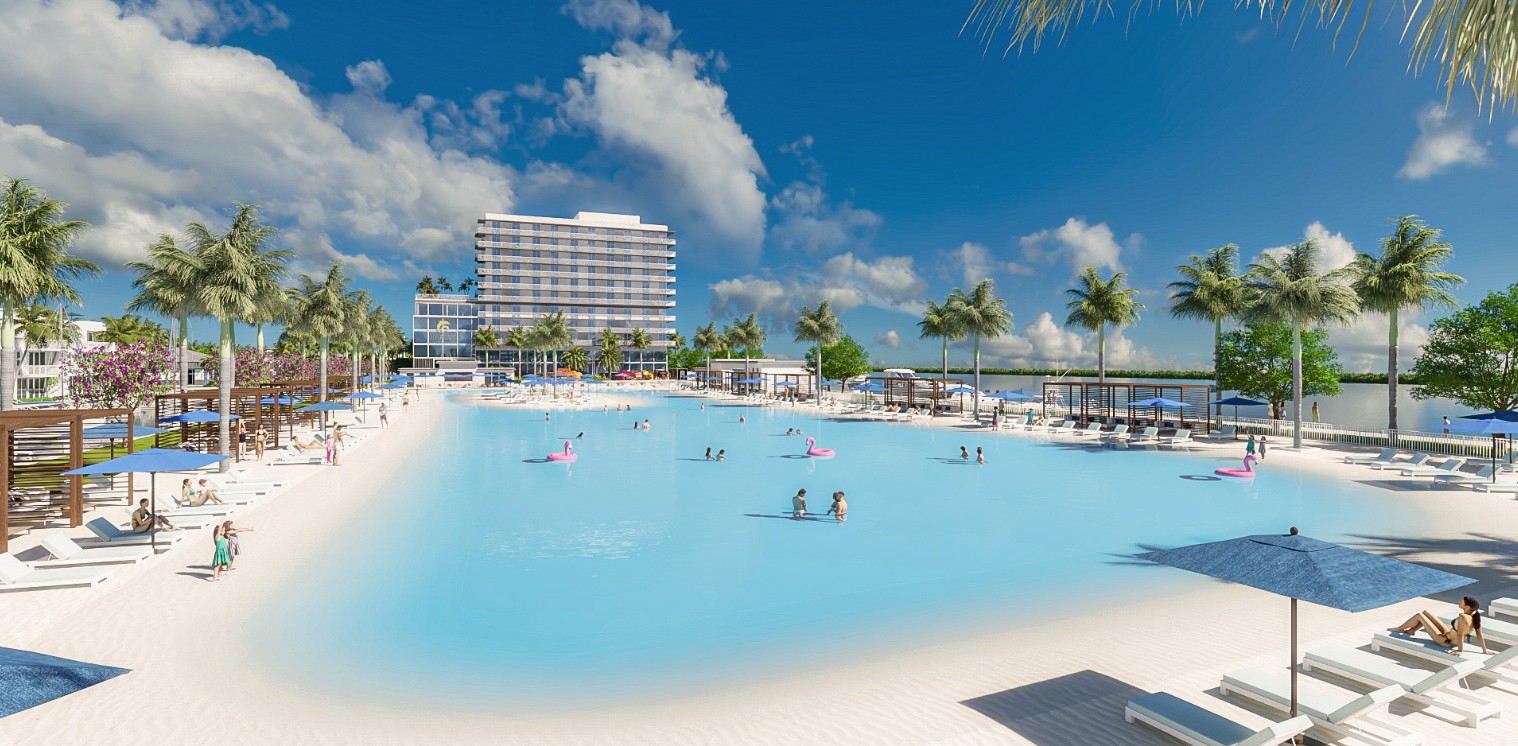
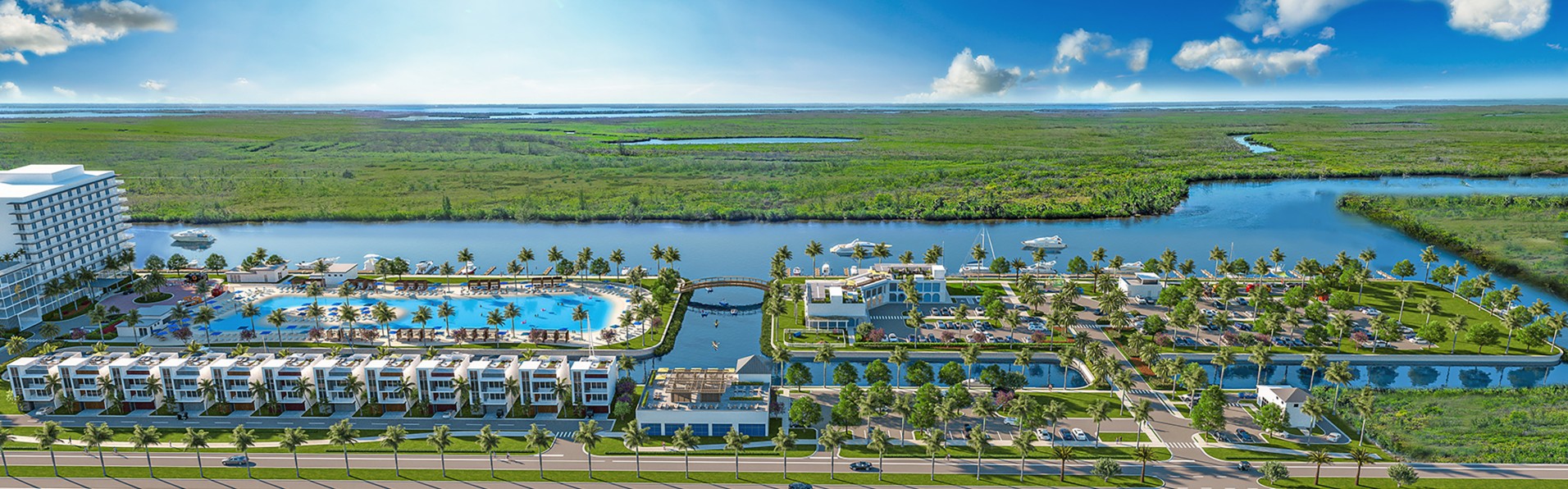
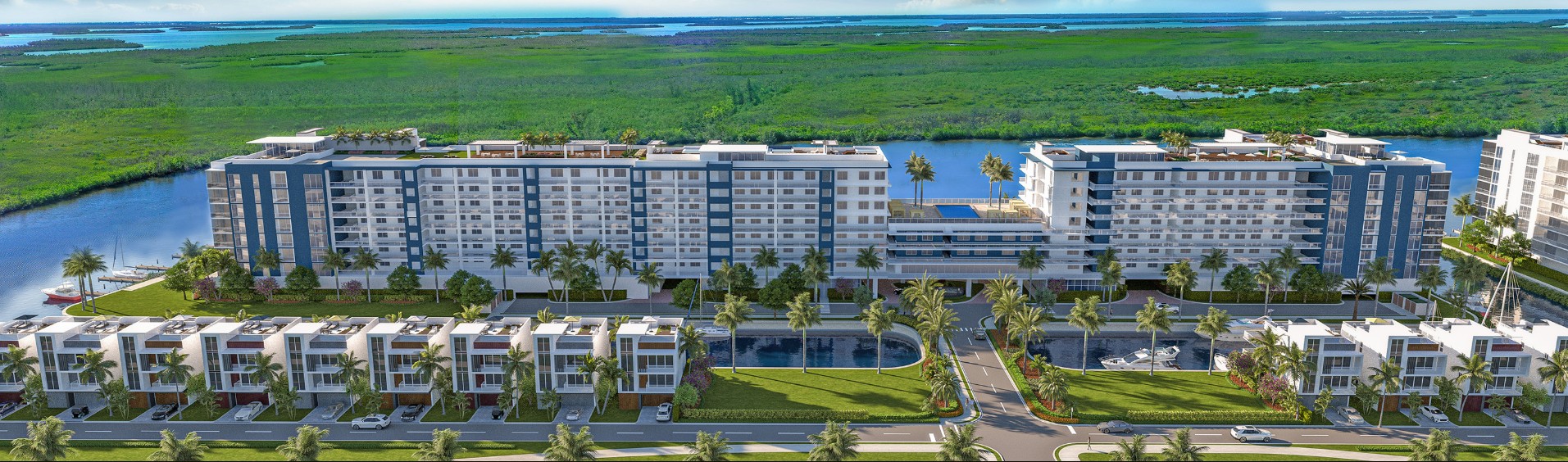
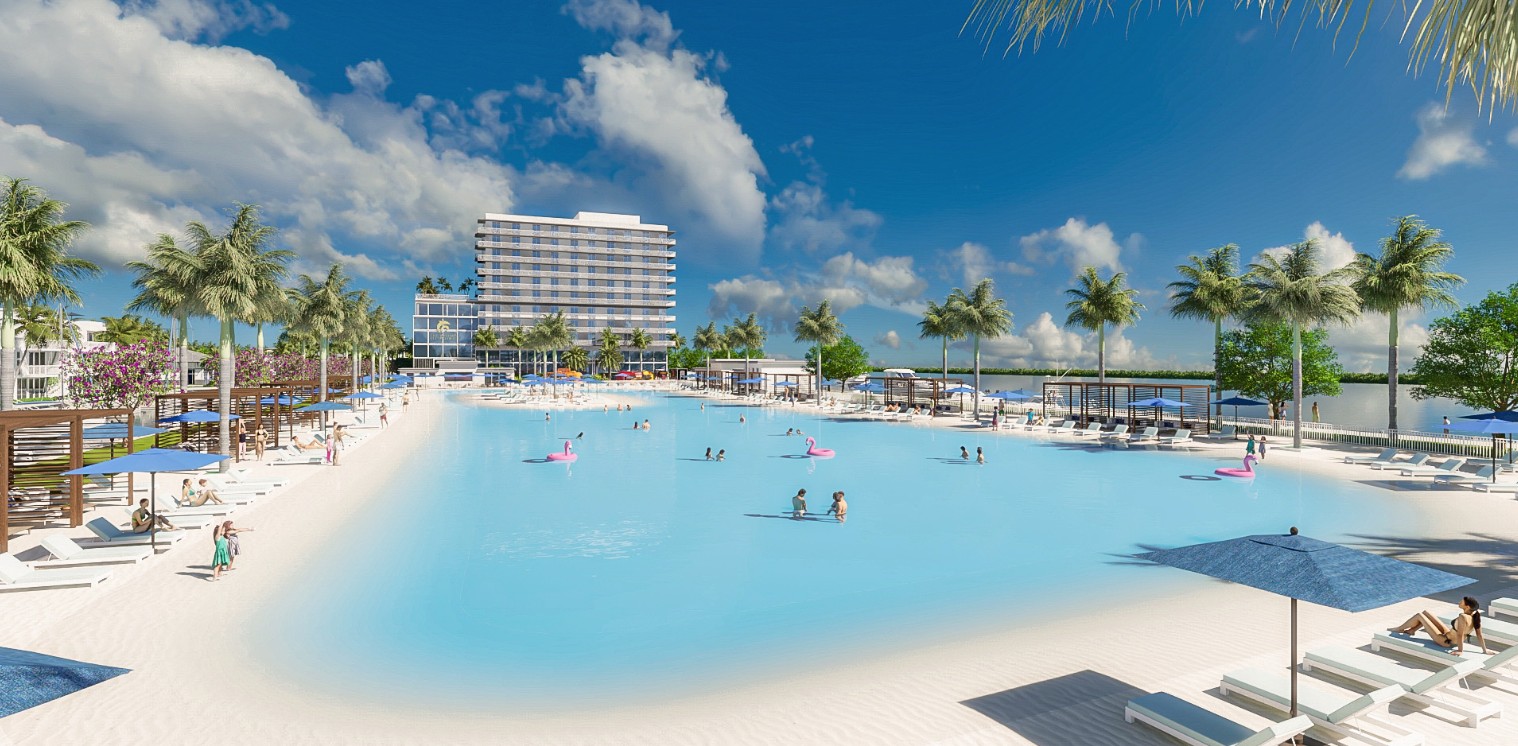
A conceptual rendering shows part of the planned Seven Islands (Gulf Gateway Resort & Marina Village) development – a mixed-use waterfront community that will bring condos, a resort hotel, marina, and restaurants to Cape Coral’s quiet northwest corner.
Cape Coral’s ambitious Seven Islands project in the Burnt Store area is finally moving from vision to reality. After nearly a decade of planning and community input, the city has given the green light to transform 47–48 acres of vacant, man-made “hammerhead” islands along Old Burnt Store Road into a vibrant coastal-style destination. On January 21, 2026, the City Council approved a development agreement with Gulf Gateway Resort & Marina, LLC, paving the way for this waterfront project to break ground. The Seven Islands site – seven narrow islands on the east side of the North Spreader Canal – will be reborn as “a unique destination gateway for Cape Coral,” says Peter Baytarian of Forest Development.
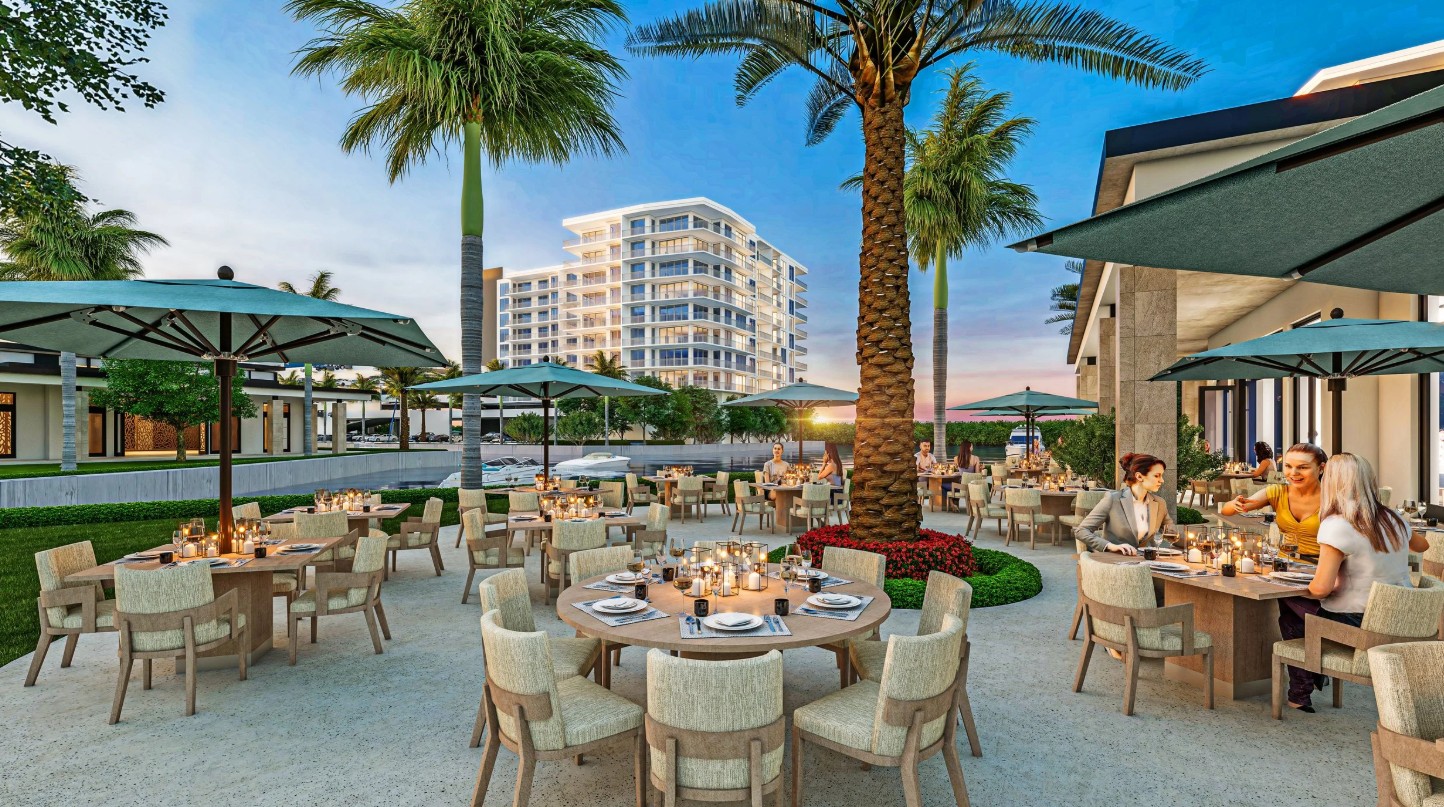
What’s planned? A lot. Development plans call for up to 995 residential units (condominiums and apartments) plus a 240-room resort hotel (to be Marriott-branded) rising up to 10 stories. The waterfront will feature a 39-slip marinawith a harbor for boaters, waterfront restaurants, tiki bar, and even a lagoon-style resort pool with a man-made beach for that coastal vibe. One entire island is reserved for public amenities – including a 16,500 sq. ft. community center, an amphitheater, dog park, splash pad, kayak launch, and a “hip” food truck park. In addition, at least 45,000 sq. ft. of retail and commercial space (beyond the hotel) will bring shops, dining, and services to Northwest Cape residents. The vision is to create a self-contained waterfront village where residents and visitors can boat, bike or golf-cart over for dinner on the water, enjoy outdoor concerts, and take in sunsets – all without leaving the neighborhood.
This mix of amenities aims to deliver a “sense of place and quality of life” that residents in the area have been craving. “It will feature condominiums, apartments, [a] hotel, marina, resort lagoon, restaurants, [and] retail,”Baytarian said, emphasizing that the goal is an “amazing resort destination that will enhance the area and provide amenities for residents and visitors”. City leaders echo this excitement. “It’s going to provide amenities that are much needed in that area,” Mayor John Gunter noted of the project. For a part of Cape Coral once deemed a sleepy fishing community, Seven Islands promises to bring the kind of lively, coastal lifestyle atmosphere typically found closer to the beach.
Official Approval, Zoning Changes, and Timeline
The journey to approval has been lengthy and deliberate. City officials began strategizing about Seven Islands back in 2015, shortly after Cape Coral acquired the foreclosed parcels in 2012. A community “vision plan” was developed with extensive public workshops, and the Northwest Cape Coral Neighborhood Association (NWNA) was deeply involved at every stage. “Over a year of work went into developing this vision plan of what the Seven Islands could do,” recalls Cape Coral City Manager Michael Ilczyszyn. That plan, finalized in 2016, set the stage for the current development. In 2022, the city approved selling the property to the developer for $20 million, with a master plan attached to guide the project’s design.
To make Seven Islands feasible, zoning and land-use changes were needed. In late 2025, Cape Coral’s Planning & Zoning Commission and City Council moved to create a special “Seven Islands” sub-district and adjust rules to encourage more commercial development on the site. Given the islands’ narrow shape, city leaders decided to allow residential and commercial buildings side-by-side (horizontally) rather than stacked in high-rises. This flexibility ensures the development isn’t just condos atop shops, but a thoughtfully planned layout with standalone restaurants, shops, and residential buildings adjacent to each other. The result will look more like a village than a single dense complex.
Critically, the development agreement incentivizes early construction of public amenities and commercial space. The city is providing a phased $2.5 million incentive grant to the developer, but in return the first phase must focus on Island 7 with all the commercial buildings and infrastructure improvements up front. No residential units can be occupied until those community amenities – from the waterfront dining to road median upgrades – are completed. “One of the first things we are going to do is the community center island, so our residents have a place to gather and amenities to enjoy,” Baytarian noted. This phasing assures locals that the fun stuff (parks, marina, restaurants) won’t lag behind the condos.
Timeline: With the final public hearing and agreement approved in January 2026, the project is poised to move into permitting and site work. Environmental permits from the Army Corps of Engineers are in the works – the city applied in late 2024 for permits to dredge, build seawalls, and install docks. (The stated “overall project purpose” in the Corps application is telling: “to create a mixed use development... to stimulate development within northwest Cape Coral.”) Permitting is expected to extend into 2027; in fact, some reports indicate final permits may not be in hand until 2028. The developers hope to break ground sooner if possible – “construction is expected to start more than a year from now,” they told local news in early 2026. Realistically, major vertical construction will likely begin in 2027after infrastructure and utilities are in place.
Full build-out will take time, especially given market conditions. The development agreement allows a long horizon (some skeptics noted the plan could stretch 20–30 years if market demand is slow). However, Forest Development insists they don’t actually intend to take decades. “We will do whatever is economically feasible to move through the project as quickly as possible… It is in our best interest to complete as quickly as possible and bring it to market,” said Forest VP Sam Bauer, noting they’d be happy to “sell out the entire project tomorrow” if they could. A more optimistic estimate by city planners calls for a 5 to 10 year build-out once construction starts. In any case, the first phase – including the marina, community center island, and some restaurants – could be open within a few years of ground-breaking, giving current residents a taste of the new amenities even as the rest is built out.
Importantly, the site’s land-use entitlements are now in place. The council’s approval means the concept and master plan have passed all public hearings. As of early 2026, the next step is closing the land sale between the city and developer (expected by February 2026) so that the developer officially owns the property and can commence work. With that, Cape Coral will finally see dirt moving on Seven Islands – a project first floated over ten years ago.
Transforming the Burnt Store Corridor: Infrastructure & Investment
The Seven Islands project isn’t happening in isolation – it’s the crown jewel of a broader growth push in Cape Coral’s Burnt Store Road corridor. For years, Northwest Cape (north of Pine Island Road) was lightly developed, lacking city utilities and major commercial nodes. But the city and county have been laying the groundwork to change that, investing in infrastructure to unlock this region’s potential.
One major improvement has been the widening of Burnt Store Road, the north-south arterial that connects Cape Coral to Charlotte County. Lee County undertook a multi-year widening project to expand Burnt Store Road from two lanes to four lanes, in three segments. As of late 2023, all phases of the Burnt Store Road widening are complete – the road is now a four-lane divided highway all the way from Pine Island Road up to the county line at Van Buren Parkway. This expansion not only improves safety and hurricane evacuation capacity, but also enhances access for new developments. A smoother, higher-capacity Burnt Store Road can better handle the traffic from future residents shopping or commuting, as well as construction vehicles during the building of projects like Seven Islands.
In tandem, Cape Coral has been aggressively rolling out water and sewer utilities into the northwest areas. The city’s Utilities Extension Project (UEP) has already brought city water/sewer to nearby zones (North-2 and parts of North-1) and is moving westward. Construction on North 1 West began in 2022–2023 and is expected to finish by 2026. Next up is North 3, covering areas west of Burnt Store Road up to around Kismet Parkway, with utilities construction slated for 2024–2025. By 2027, the plan is to have extended utilities all the way north along Burnt Store Road to the city’s boundary, opening roughly 2,000 acres of previously unserved land for new development. This includes bringing infrastructure to a massive 1,745-acre tract east of Burnt Store Road known as Hudson Creek, which was recently acquired by a developer in the largest raw-land deal in Lee County history. That public-private partnership (the developer helps fund the utility extension) not only enables Hudson Creek’s project but will “spur commercial development along Burnt Store Road and the western portion of Pine Island Road” as well. In short, the city is literally paving the way for growth – widening roads, running pipes, and boosting capacity (Cape Coral’s North water plant and sewer plant are being expanded significantly to handle all these new users by 2027).
City planners have also crafted a bold vision for the Burnt Store corridor’s future land use. A new plan known as BURST (Burnt Store Road Special Corridor) is in the works, creating a special mixed-use zoning district along Burnt Store from Van Buren to the county line. The goal of BURST is to concentrate well-planned development in this corridor – think master-planned communities, neighborhood commercial centers, and even employment hubs – rather than ad hoc sprawl. Seven Islands fits squarely into this vision as a key waterfront mixed-use node at the southern end of the corridor. Meanwhile, other projects are queued up: the aforementioned Hudson Creek development (east of Burnt Store Road) is entitled for 3,500 homes, 500,000 sq. ft. of commercial space, a university campus area, and more – essentially a mini-city that will bring jobs, shopping and thousands of residents to northwest Cape Coral. Just south of Seven Islands, the city recently broke ground on Tropicana Park, a new waterfront park on the Spreader Canal that will offer a kayak launch, small beach area, boat tie-ups, a playground and walking trails when it opens in late 2025. This park (Cape Coral’s 48th) is part of a $60 million initiative to expand recreation in the city – and it sits only about a mile from the Seven Islands site, complementing the private development with public open space.
All these efforts underscore a clear trend: Cape Coral’s growth is now firmly pointed northwest. “75% of new development is expected in North Cape Coral,” according to the City’s Economic Development Office, which notes the city is only ~60% built-out overall. With population swelling (the city has grown nearly 25% since 2020 alone) and buildable land in the south mostly taken, the Burnt Store Road corridor is the new frontier. The city is making a concerted push to ensure this area doesn’t just grow in population, but also gets the infrastructure, commerce, and amenities to thrive. That means new roads and utilities, new parks, and projects like Seven Islands delivering restaurants, entertainment, and unique attractions. Even the “coastal lifestyle” is being reimagined inland – boat accessvia the Spreader Waterway/Matlacha Pass, waterfront dining, and a lagoon beach club will give Northwest Cape residents a taste of what one might normally only find by driving to the Gulf beaches or the downtown marina districts.
A Booming Market: Trends in NW Cape Coral Real Estate
For homebuyers and real estate investors, the emergence of projects like Seven Islands is a strong signal about the trajectory of Northwest Cape Coral. What was once a sparsely populated area of inexpensive lots and a handful of homes is rapidly becoming a hotbed of activity. Property values in the Burnt Store vicinity have been on the upswing, especially as news of infrastructure upgrades and new developments spreads. “It would help the property values here,” says Linda Spetebroot, a resident along Old Burnt Store Road, regarding the Seven Islands plan. A local Realtor who works in the area explained that nearby homes have already appreciated and can expect further gains: “Values of their property went up… and it also improves the whole neighborhood. All I can say to people that are worried is just sit tight. It’s going to be a good thing for everyone,” he advised. In other words, the development and its accompanying improvements are likely to lift NW Cape Coral’s real estate market, not dampen it.
City-wide data supports the optimism. Cape Coral has consistently ranked among Florida’s fastest-growing cities (the population is projected to reach ~250,000 by 2030 and 375,000 by 2050). With that growth comes sustained housing demand. Even after the frenzied run-up of 2020-2022, Cape Coral’s median home prices have stabilized at high levels, and new construction continues at a healthy pace (over $1.7 billion in residential and commercial construction investment in 2025, per city estimates). Crucially, a lot of that new construction is happening in the north and northwest. Builders have been buying up parcels in anticipation of utilities and road expansions – meaning today’s vacant lots could be tomorrow’s new homes or businesses.
The Burnt Store area still offers comparatively affordable land relative to the southern Cape or waterfront Gulf-access neighborhoods. That affordability, combined with the city’s tangible commitment to turn this area into a well-equipped “live, work, play” community, makes it very attractive for forward-looking buyers. Investors see the potential for appreciation as the area transitions from semi-rural to a vibrant corridor. Already, big-name developers and even national builders are staking claims (the Hudson Creek land purchase at a record $100 million is a prime example). Small wonder that Cape Coral was ranked a “Top Housing Market for 2025” and dubbed a potential “Boomtown” by multiple analysts.
For current homeowners in Northwest Cape, these trends mean rising equity – and decisions to make. Some may choose to hold and watch their home values climb as the Seven Islands marina, new parks, and shopping options boost desirability. Others might see this moment as an opportune time to sell, capitalizing on increased buyer interest in the area. The promise of Seven Islands can be a selling point: even though the project is just starting, savvy buyers know that in a few years the whole northwest will have a different feel. As one resident put it after Council’s approval, “There’ll be someplace else for people to go and enjoy… maybe have dinner together, sit on the water” – a lifestyle that was hard to imagine here a decade ago. That future allure can translate into higher offers today on properties in proximity.
Why Now is a Strategic Time to Invest (or Sell) in Burnt Store’s Future
From an investment standpoint, “buy low, sell high” is the classic adage – and while prices in NW Cape Coral are no longer rock-bottom, they are poised to go higher as the area matures. The groundwork is being laid right now: The city and developers are pouring in resources to ensure this historically quieter part of Cape Coral catches up with (or even surpasses) the rest of the city in amenities. Consider a few strategic facts:
-
Massive Public-Private Investment: Between road widening, utility expansion, new parks, and the Seven Islands development itself, tens of millions of dollars are being invested in the Burnt Store corridor over the next few years. This kind of investment tends to have a multiplier effect on property values and business activity in the surrounding area.
-
Emerging Coastal Lifestyle Inland: Seven Islands and its companion projects will bring “coastal” amenities inland – marina access to the Gulf, waterfront dining, a resort-like lagoon, and recreation on the water. Buyers who dream of a Florida boating lifestyle but were priced out of canal-front neighborhoods may find NW Cape an attractive alternative. In essence, Cape Coral is extending the coastal lifestyle to this corner of the city, which used to be known only for fish camps and rural feel. That broadens the appeal of every home nearby, even those off-water, because the area becomes a destination.
-
High Growth + Limited Supply: Cape Coral’s rapid growth (4%+ annually in population) means steady housing demand, but the city won’t sprawl forever – it’s bounded by water on two sides and already 60% built-out. The Northwest has the bulk of remaining land, and as it gets built, scarcity will increase. Early investors can still find reasonably priced properties now, but as the vision materializes (marinas open, shops built, jobs added), prices are likely to catch up to the more developed parts of the city. In other words, today’s “outer edge” may be tomorrow’s new hotspot.
-
Seller’s Opportunity – Storytelling: If you’re a homeowner thinking of selling, the coming of Seven Islands can be part of your selling story. You’re not just selling a house; you’re selling a future lifestyle. Even if your home isn’t on the water, you’ll soon have a world-class waterfront village minutes away. That’s a compelling pitch to buyers from out of state who may not know Cape Coral beyond the southeastern canals or downtown. Marketing a home as “near the upcoming Gulf Gateway Resort & Marina Village” – with future access to its restaurants, entertainment and community events – can make your property more enticing and justify a premium. And with inventory in Cape Coral tightening again by late 2025, motivated buyers are out there.
Of course, no investment is without risk. The Seven Islands project has its naysayers – some worry about traffic on Old Burnt Store Road, or boat congestion in the canals. Others question if there’s enough demand to fill nearly 1,000 new residences in a far-flung corner of the city. These are fair concerns, but city officials and developers have been proactively addressing them: road improvements are written into the development plan, and the project was scaled and phased deliberately to match market cycles. In fact, traffic studies indicated that adding local shopping/dining in NW Cape could reduce some travel, since residents won’t need to drive across town as often. And environmental safeguards (like preserving mangroves and habitat corridors) have been incorporated to satisfy regulators and neighbors. In short, the city is taking a balanced approach to growth – enabling big development but with conditions to keep it sustainable.
Bottom Line for Buyers, Sellers, and Investors
If you’ve been eyeing Northwest Cape Coral, now is a pivotal moment. The Seven Islands project’s approval is concrete evidence of the city’s commitment to this area. In real estate, being ahead of the curve is key – and we are at that inflection point where NW Cape is shifting from a well-kept secret to the next big thing. The ingredients for rapid appreciation and a thriving community are all coming together here: improved infrastructure, new commercial investments, recreational enhancements, and a wave of new housing.
For homebuyers, this means you can still purchase in the Burnt Store corridor at prices that may seem like a bargain in a few years. You’ll be buying not just a home, but a ticket into a rejuvenated region of Cape Coral – one where you could golf-cart to a café or hop on a boat from a marina a short walk away. That lifestyle is being actively crafted by the Seven Islands plan. For current homeowners, your equity is likely rising; you might consider whether to hold for the long term to enjoy the coming amenities (and potentially even higher values), or sell in the near term to take advantage of heightened buyer interest while inventory is low. Both strategies have merit depending on your goals – what’s clear is that the days of NW Cape being “Cape Coma” are over.
And for investors, the Burnt Store/NW Cape area represents one of Cape Coral’s best opportunities for growth. As one local expert put it, Cape Coral is evolving from a sleepy residential town into a “well-rounded, self-sustaining city”, and the northwest is a huge part of that story. With the city’s population projected to grow by another ~100,000 residents by 2050, the demand for housing and commercial services will be enormous – and much of it will occur where land is available (i.e., the Burnt Store corridor). By investing in property now – before the Seven Islands “gateway” resort opens its doors – you position yourself to ride that wave.
Cape Coral officials often talk about “bringing the amenities to where the people are”, rather than forcing all residents to drive to the south or into Fort Myers. Seven Islands exemplifies that philosophy. It is a homegrown coastal paradise in the making, right in NW Cape. As Councilman Joe Kilraine praised, this project is “a perfect example of a neighborhood group, the city, and the developer working hand-in-hand… a great model of how we can do projects in the future.” In other words, it’s a sign of things to come.
In conclusion, the Northwest Cape / Burnt Store area is undergoing a metamorphosis from quiet and remote to connected and vibrant. The newly approved Seven Islands development will serve as both a catalyst and a centerpiece of this transformation – bringing a waterfront resort lifestyle to an area once known only for its boat ramps and mangroves. Whether you’re looking to buy your piece of the Florida dream, considering selling while the market heats up, or simply watching from the sidelines, keep your eyes on Burnt Store. Cape Coral is bringing the beach vibe inland, and smart real estate moves made now could pay off handsomely as this corner of the Cape realizes its vast potential.
Sources: City of Cape Coral Development Services & Economic Development offices; Cape Coral Breeze (Meghan Bradbury); Fox4 News; Gulf Coast News (WBBH/WZVN); NW Cape Neighborhood Assoc. and GPICA archives; City of Cape Coral Market Snapshot.

Kayla Hunter
SW Florida Native & Realtor® | The Palms & Properties Group | Keller Williams Elite Realty
or another way