
Categories
Home Buying, Florida Home Insurance, Southwest Florida Real EstatePublished September 17, 2026
Florida Homeowners Insurance: What Southwest Florida Home Buyers Need to Compare If you're buying a home in Southwest Florida

If you're buying a home in Southwest Florida, homeowners insurance is one of those things you really don't want to choose based on price alone.
I see buyers get several insurance quotes and immediately look at the bottom line:
“Okay, this one is $1,000 cheaper. Let's go with that one.”
Not so fast.
Two Florida homeowners insurance quotes can look similar on the surface while providing VERY different coverage when you actually need to file a claim.
Living and selling real estate here in Southwest Florida, we've seen what hurricanes, flooding, roof damage and water losses can do. Your deductible and the fine print in your policy matter.
So, whether you're buying a home in Naples, Bonita Springs, Estero, Fort Myers, Cape Coral or another Southwest Florida community, here are some of the biggest things I recommend looking at when comparing homeowners insurance quotes.
1. Dwelling Coverage — Coverage A
Let's start with the big one.
Coverage A is the amount of insurance available to repair or rebuild your home after a covered loss.
One common misconception is that this number should equal what you're paying for the house.
It doesn't.
A home's market value includes things like the land, location and current real estate market. Your dwelling coverage is generally based on the estimated cost to rebuild the structure.
When comparing quotes, look at:
- The total Coverage A amount
- Whether the home is insured at replacement cost
- Whether extended replacement cost coverage is available
- Whether the estimated rebuilding amount seems reasonable for the property
If one insurance company is quoting substantially less dwelling coverage than another, find out why before assuming it's the better deal.
2. Hurricane Deductible
Welcome to Florida. 🌴
Your hurricane deductible deserves its own conversation because it can be VERY different from your regular homeowners insurance deductible.
Hurricane deductibles are commonly expressed as a percentage of your dwelling coverage.
For example:
$500,000 Coverage A × 2% hurricane deductible = $10,000
Now compare that with a 5% hurricane deductible:
$500,000 × 5% = $25,000
That's a $15,000 difference in potential out-of-pocket exposure.
Suddenly saving a few hundred dollars per year on your premium doesn't look quite as exciting.
When comparing Florida homeowners insurance quotes, always convert that hurricane deductible percentage into an actual dollar amount.
3. Water Damage Coverage
This is a BIG one in Florida.
Don't see “water damage” on a quote and assume you're good.
Ask exactly what the policy covers and whether there is a separate water damage limit.
Some policies may limit certain water damage coverage to a specific dollar amount rather than providing coverage up to the full dwelling limit.
Ask your insurance agent:
Is sudden and accidental plumbing water damage covered?
Is there a $10,000 water damage limit or another cap?
Is there a separate water deductible?
Is water or sewer backup included?
Are there exclusions related to the home's plumbing?
A less expensive policy with significantly restricted water coverage may not be the bargain it initially appears to be.
4. Mold Coverage
If you've lived in Southwest Florida for more than five minutes, you already know:
Heat + humidity + water = not a great combination.
Mold coverage can vary substantially between insurance policies.
You might see limits such as:
$10,000
$25,000
$50,000
or another amount depending on the policy and endorsements available.
Don't just ask, “Do I have mold coverage?”
Ask:
How much mold coverage do I have, and exactly what does that limit cover?
Mold testing, remediation, removing damaged materials and completing related repairs can become expensive quickly.
5. Ordinance or Law Coverage
This isn't nearly as exciting to talk about as a beautiful kitchen or swimming pool, but it's one of the coverages I think Florida homeowners should understand.
Ordinance or law coverage helps pay certain additional costs associated with bringing damaged portions of a home up to current building codes after a covered loss.
This can become particularly important when purchasing an older Southwest Florida home.
You may see coverage expressed as a percentage of your dwelling coverage, such as:
25% of Coverage A
or
50% of Coverage A
If you're comparing two policies and one includes significantly more ordinance or law coverage, that's something worth considering—especially with an older property.
6. How Is the Roof Covered?
Your roof matters A LOT when buying a home in Florida.
Ask whether a covered roof loss is settled using:
Replacement Cost Value (RCV)
or
Actual Cash Value (ACV)
Actual cash value generally accounts for depreciation, which can mean a lower claim payment than replacement cost coverage.
There may also be roof payment schedules, special deductibles or other limitations depending on the policy.
Don't assume two policies provide identical roof protection simply because both say the roof is “covered.”
7. Pool Cage and Screen Enclosure Coverage
This one is especially relevant here in Southwest Florida.
We have a LOT of homes with pools, lanais and screen enclosures.
If the home you're buying has a pool cage, ask specifically how the policy treats it.
Check:
- Is the screen enclosure covered?
- Is there a separate dollar limit?
- Is wind or hurricane damage included?
- What about the pool equipment?
- Are there exclusions for screens themselves?
Replacing a large pool enclosure after a major storm isn't exactly pocket change.
8. Loss of Use / Additional Living Expenses
Here's something buyers sometimes overlook.
What happens if your home has significant covered damage and you can't live there while repairs are being completed?
Loss of Use, sometimes referred to as Additional Living Expense (ALE) coverage, can help with additional expenses associated with temporarily living somewhere else after a covered loss.
In Southwest Florida, where major hurricane repairs can take time, I absolutely want buyers to understand what their policy provides.
9. Your Regular Deductible — All Other Perils
Your hurricane deductible isn't necessarily your only deductible.
Look at the policy's All Other Perils (AOP) deductible as well.
You may see:
$1,000
$2,500
$5,000
or another amount.
Also ask whether there are separate deductibles for things such as water or roof losses.
Again, don't compare premium without comparing deductibles.
10. Personal Property and Liability Coverage
Your house isn't the only thing being insured.
Look at the amount of personal property coverage included and whether your belongings are covered at replacement cost or actual cash value.
You should also review your personal liability coverage.
If you have jewelry, collectibles, expensive electronics or other higher-value belongings, ask whether the policy has special limits that could affect those items.
11. And Please Don't Forget Flood Insurance
This is probably one of the most important things I can tell a buyer moving to Southwest Florida:
Homeowners insurance and flood insurance are NOT the same thing.
A standard homeowners policy generally does not cover flooding.
And don't assume:
“My lender doesn't require flood insurance, so I don't need it.”
Those are two different conversations.
Your lender's requirements and your personal comfort level with flood exposure aren't necessarily the same thing.
When I'm helping someone buy a home in Fort Myers, Cape Coral, Bonita Springs, Estero, Naples or the surrounding Southwest Florida area, I want them to understand the property's flood zone and get a flood insurance quote when appropriate so they can make an informed decision.
So, Which Florida Homeowners Insurance Quote Is Best?
There isn't one answer for every buyer.
But I wouldn't automatically choose the cheapest one.
Put your quotes side-by-side and compare:
Dwelling Coverage → Hurricane Deductible → Water Damage → Mold → Ordinance or Law → Roof Coverage → Pool Cage → Loss of Use → AOP Deductible → Personal Property → Liability → Flood
Then ask yourself:
If something major actually happened to this house, which policy would I rather have?
That's the question that matters.
A policy that's $500 or $1,000 less per year may not feel like a bargain if you're taking on thousands—or tens of thousands—of dollars in additional exposure.
Buying a Home in Southwest Florida?
Insurance is something I like my buyers thinking about before we're sitting at the closing table.
Between homeowners insurance, flood zones, inspections, roofs, plumbing, wind mitigation, four-point inspections, HOA fees and everything else that comes with purchasing property in Florida, there are a lot of moving pieces.
That's part of what I'm here for.
I'm Kayla Hunter, REALTOR® and Team Lead of Palms & Properties Group with Keller Williams Elite Realty. I'm a Fort Myers native and have been helping buyers and sellers throughout Southwest Florida since 2016.
If you're considering buying or selling a home in Naples, Bonita Springs, Estero, Fort Myers, Cape Coral or the surrounding Southwest Florida area, I'd love to help you navigate it.
Kayla Hunter, REALTOR®
Palms & Properties Group
Keller Williams Elite Realty
📱 239-850-7719
✉️ KaylaHunterRealty@gmail.com
🌴 www.PalmsAndProperties.com
This article is for general educational purposes and is not insurance advice. Insurance coverage, deductibles, exclusions and eligibility vary by carrier and policy. Always review your specific coverage with a licensed Florida insurance professional.
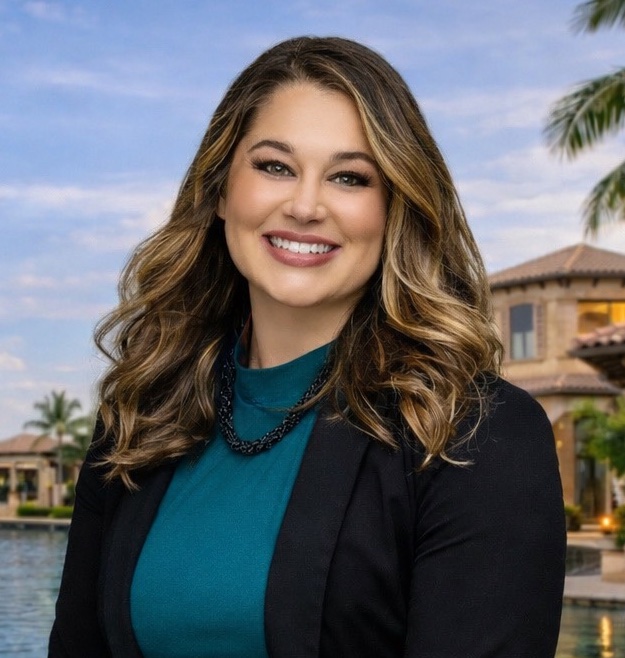
Kayla Hunter
SW Florida Native & Realtor® | The Palms & Properties Group | Keller Williams Elite Realty
or another way